



You take your vitamin D supplement every morning. 600 IU, just like the bottle says.
Here’s the problem: You might be taking 6-8 times less than you need to protect your heart.
A groundbreaking study just revealed why vitamin D trials have failed for decades – and it’s not because vitamin D doesn’t work. We’ve just been doing it completely wrong.
The Breakthrough That Changes Everything
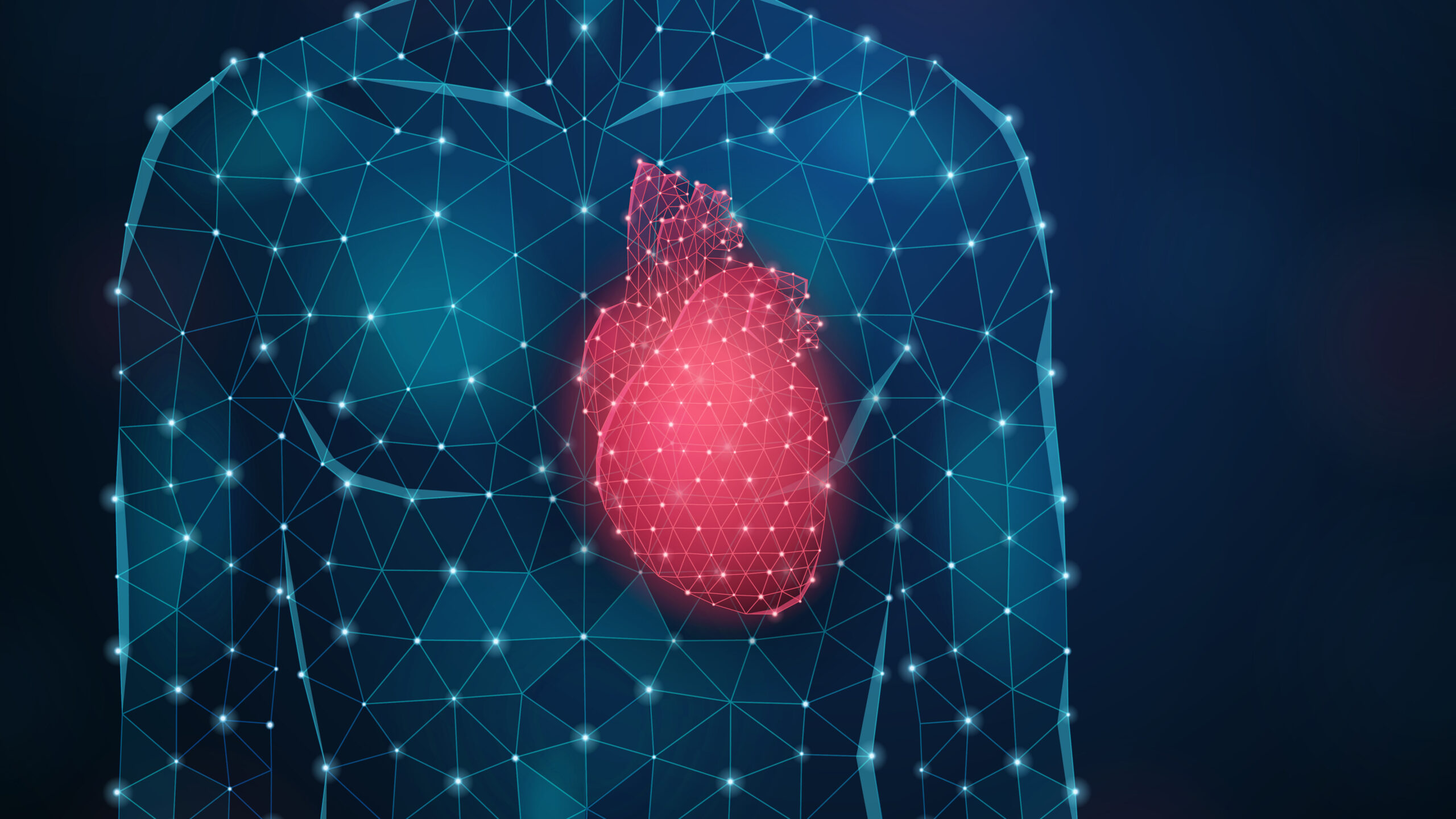
For years, studies said vitamin D doesn’t prevent heart attacks. Researchers gave thousands of people supplements and watched. Nothing happened.
Until they tried something different.
Instead of giving everyone the same dose, they checked blood levels. They adjusted doses based on what each person actually needed. They monitored and fine-tuned.
The result? A 52% reduction in second heart attacks.
The TARGET-D study followed 630 heart attack survivors for up to 8 years. Those who had their vitamin D levels optimized to 40-80 ng/mL cut their risk of another heart attack in half.
Here’s why it finally worked.
What Previous Studies Got Wrong
85% of heart attack patients started with vitamin D levels below 40 ng/mL – meaning nearly everyone was deficient despite supplements being everywhere.
Previous trials made three critical mistakes:
Same dose for everyone. Whether you weighed 120 pounds or 250 pounds, everyone got the same amount. That’s like prescribing the same blood pressure medication to everyone.
No blood testing. They never checked if the vitamin D reached protective levels. Just handed out pills and hoped.
Too low doses. Standard recommendations are 600-800 IU. But over 50% of participants needed 5,000 IU daily to reach protective levels. That’s 6-8 times higher.
Translation: We’ve been trying to fill a swimming pool with a teaspoon.
The Dosing Secret That Worked

The TARGET-D trial checked vitamin D blood levels every 3 months. When levels were too low, they increased the dose. When levels hit the target (40-80 ng/mL), they maintained it.
They treated vitamin D like medicine, not like a multivitamin.
The doses varied wildly:
- Some needed 2,000 IU daily
- Over half needed 5,000 IU daily
- Some needed even more
- All doses adjusted based on blood test results
And it worked. Dramatically.
Why Your Standard Dose Isn’t Enough
Vitamin D absorption depends on your body weight, age, how much fat you eat with it, your genetics, and your gut health.
The standard 600-800 IU was never designed to protect your heart. It was designed to prevent rickets and maintain basic bone health.
For cardiovascular protection? Most heart attack survivors need 5,000+ IU daily to reach protective blood levels.
But don’t run out and buy high-dose vitamin D yet.
The Critical Safety Message
This study only included people who already had a heart attack. They had regular blood testing. They had medical supervision.
Vitamin D is not harmless at very high doses. Too much causes kidney stones, nausea, dangerous calcium buildup, and heart rhythm problems.
The key isn’t the dose on the bottle. It’s the level in your blood: 40-80 ng/mL.
Disclaimer – Unsupervised supplementation is not advised since Vitamin D, being a fat soluble vitamin, accumulates in body if taken in excess and can lead to toxicity and renal damage.
Who This Actually Applies To
Let’s be clear:
✅ Who this study helps:
- Heart attack survivors
- People with diagnosed heart disease
- Those who’ve had acute coronary syndrome
❌ Who this does NOT yet apply to:
- Healthy people without heart disease
- Preventing FIRST heart attacks
- General prevention (more research needed)
This is specifically for preventing SECOND heart attacks in people who already had one.
Your Action Plan If You’ve Had a Heart Attack
1. Get your vitamin D blood level tested Ask for a 25-hydroxyvitamin D blood test. You need the actual number in ng/mL.
2. Know your target: 40-80 ng/mL Below 40 is insufficient. Above 80 risks toxicity.
3. Talk to your cardiologist Show them this study. Discuss personalized dosing for your situation. Don’t self-dose.
4. Plan follow-up testing You’ll need blood tests every 3-6 months to ensure you’re in the protective range.
5. Take it with fat Vitamin D is fat-soluble. Take with your largest meal for best absorption.
Are You At Risk for Deficiency?
You can’t “feel” vitamin D deficiency, but these signs suggest higher risk:
- You’ve had a heart attack (85% are deficient)
- You’re over 50 (skin makes less with age)
- You have dark skin (melanin reduces production)
- You stay indoors (limited sun exposure)
- You’re overweight (vitamin D gets trapped in fat)
- You have digestive issues (poor absorption)
- You’re excessively tired all the time. There are generalised body pains and malaise.
Check multiple boxes? You’re very likely deficient.
The Bottom Line
The old approach: Give everyone 600-800 IU, hope it works, declare failure.
The new approach: Test blood levels, adjust to reach 40-80 ng/mL, monitor.
The result: 52% fewer second heart attacks.
What it means: 85% of heart attack patients are vitamin D deficient. Standard dosing doesn’t fix it. Personalized dosing based on blood levels does.
What you must know: This isn’t about buying supplements off the shelf. This is about testing, targeting, and monitoring with medical supervision.
The big question: Does this prevent first heart attacks in healthy people? We don’t know yet. More research is needed.
For now, if you’ve survived a heart attack, ask your cardiologist: “Should we be monitoring and optimizing my vitamin D levels?”
Show them the TARGET-D study. Discuss whether it makes sense for you.
Your heart is too important to leave vitamin D levels to chance.
Quick Facts
🔬 The Study: TARGET-D trial, 630 heart attack survivors, up to 8 years follow-up
💊 The Finding: 52% reduction in second heart attacks with optimized vitamin D (40-80 ng/mL)
📊 The Surprise: 85% started deficient; 50%+ needed 5,000 IU daily (vs 600-800 standard)
⚠️ The Warning: High-dose vitamin D requires blood testing and medical supervision
👥 Who Benefits: Heart attack survivors (research ongoing for primary prevention)
📞 Your Action: If you’ve had a heart attack, discuss vitamin D blood testing with your cardiologis
Concerned About Your Heart Health?
If you’re a heart attack survivor or have cardiovascular disease concerns, SDDM Hospital’s Cardiology Departmentoffers comprehensive cardiac care including vitamin D testing, personalized risk assessment, and evidence-based prevention strategies.
For cardiac consultations: +91-191-2464637
This article is for educational purposes only. If you’ve had a heart attack, discuss any supplement changes with your cardiologist. Vitamin D optimization requires medical supervision and blood testing.
