




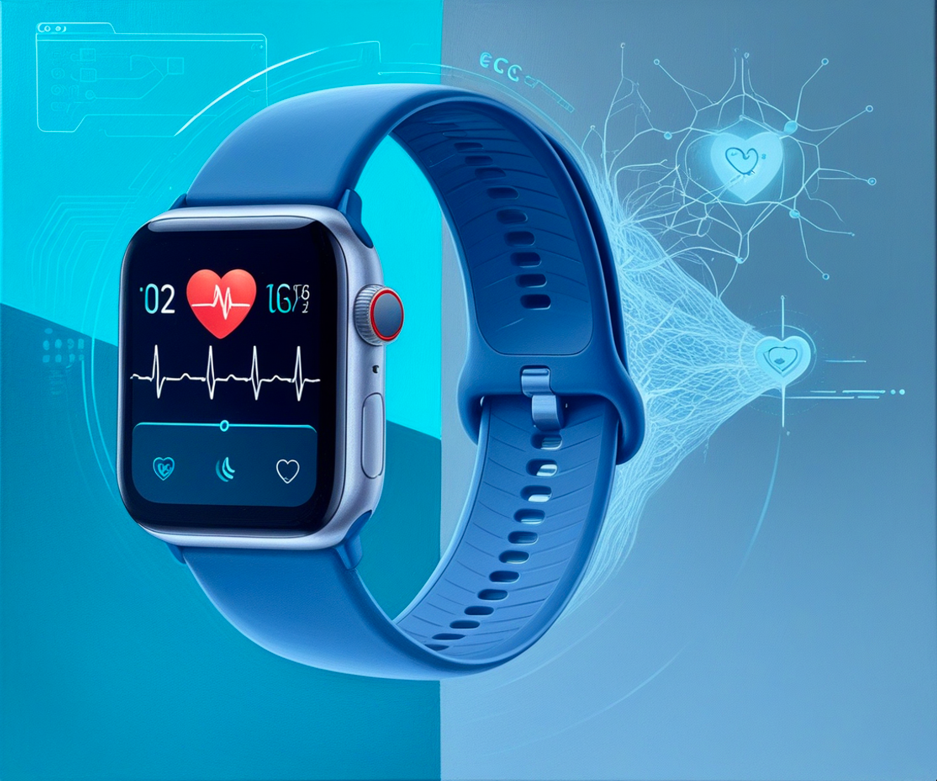
The device on your wrist is counting steps. Tracking calories. Buzzing with notifications.
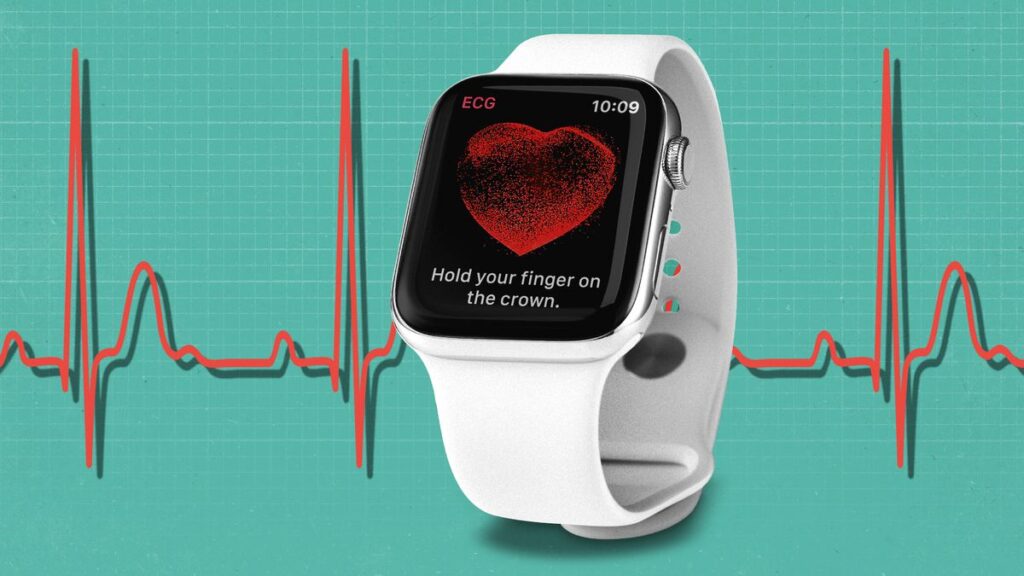
What you don’t realize: It’s also watching your heart. Predicting problems. Potentially saving your life.
Right now, AI algorithms are scanning heartbeats on millions of wrists worldwide—detecting deadly heart conditions years before the first symptom.
This isn’t science fiction. It’s happening today.
The Silent Killer Just Met Its Match
Heart disease kills more people than cancer. Most victims never see it coming.
Until now.
Samsung, Apple, and Google watches now use AI to detect heart failure, dangerous rhythms, and structural heart disease. Yale researchers proved these devices spot cardiac problems with 88% accuracy—using nothing but a 30-second wrist scan.
The watch you bought to track your morning run is now powerful enough to catch the #1 killer in the world before it strikes.
What Your Watch Sees That You Can’t
Atrial Fibrillation. The irregular heartbeat that increases stroke risk by 5x. Often completely symptomless. Your watch catches it while you sleep.
Structural Heart Disease. Damaged valves, weakened pumping. Traditional diagnosis requires expensive hospital equipment. Your watch? 30 seconds on your wrist.
Cardiac Arrest. Google’s Pixel Watch detects when your heart stops and automatically calls 911. No button to press. The watch knows and acts.
Here’s the terrifying part: 85% of heart attack patients are walking around with undetected problems right now.
Your watch might be the only thing standing between you and becoming a statistic.
The AI That Predicts Your Future
Yale’s team trained AI on 266,054 ECGs from 110,006 patients. The technology learned patterns doctors miss.
Results:
- 88% accuracy detecting heart disease
- 99% accuracy ruling out problems
- Approved by FDA (Samsung, Apple)
- 120,000+ patients already monitored monthly in South Korea
That 99% number? If your watch says you’re fine, you’re almost certainly fine.
If it says something’s wrong? You have time to act before disaster strikes.
The Technology That’s Saving Lives Right Now
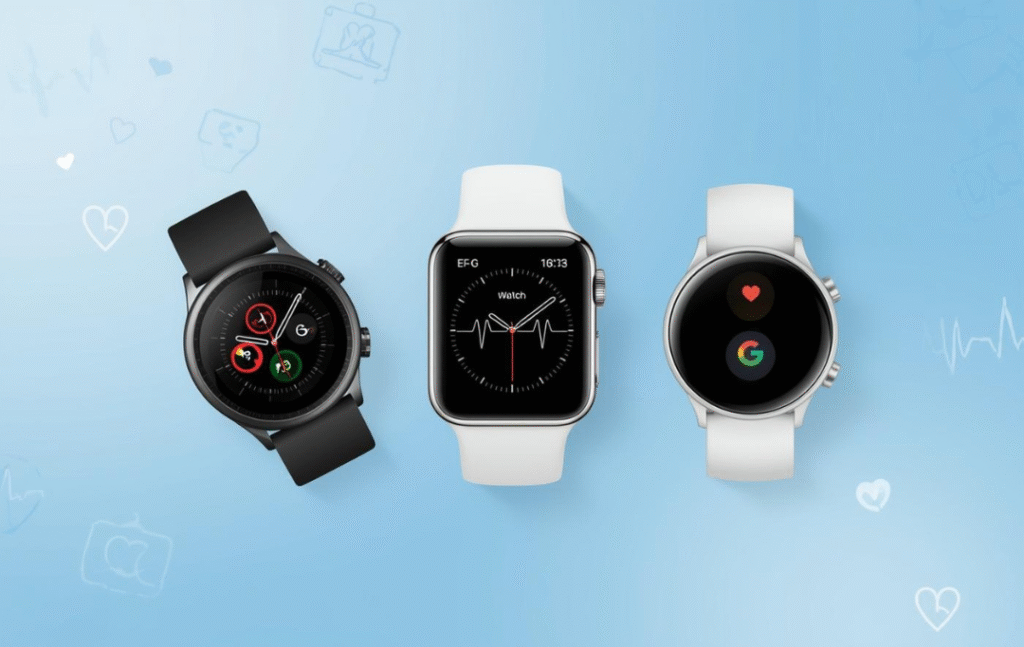
Samsung Galaxy Watch:
- FDA-approved for AFib detection (irregular heart rhythms)
- South Korea-approved for LVSD detection (heart failure risk)
- Continuous background monitoring while you sleep, work, live
- Already helping 120,000 patients monthly in South Korea
Google Pixel Watch 3:
- Detects loss of pulse (cardiac arrest) and automatically calls 911
- AI-powered to minimize false alarms while catching real emergencies
- Literally calls for help when you can’t
Apple Watch & Fitbit:
- FDA-cleared irregular heart rhythm notifications
- Continuous AFib monitoring
- Alerts for dangerously high or low heart rates
The new reality: These aren’t fitness trackers anymore. They’re life-saving medical devices disguised as watches.
Who Needs This (Spoiler: You Do)
“I’m healthy. This doesn’t apply to me.”
Wrong.
In one study, 18% of participants were in AFib (Atrial Fibrillation) 100% of the time. None knew.
You need this if you’re:
- Over 40 (1 in 4 develop AFib)
- Family history of heart disease (it’s hereditary)
- High blood pressure or diabetes (major risk factors)
- Feel “fine” (that’s the entire point of early detection)
Silent killers are silent until they’re not. Your watch is listening for the whispers.
Turn It On Right Now
1. Activate heart monitoring
Open your health app. Turn on irregular rhythm notifications. They’re off by default.
2. Wear it at night
Most dangerous arrhythmias happen while you sleep.
3. Don’t ignore alerts
That “glitch” might be your heart crying for help. See a cardiologist immediately.
The Bottom Line
Heart disease doesn’t announce itself. It builds silently for years. By the time you feel chest pain or collapse, the damage is often done.
But your watch sees it coming.
Every irregular beat. Every subtle change. Every warning sign your body hides—the algorithms catch it all.
The technology exists right now to detect heart failure, spot dangerous rhythms, and summon emergency help—all before you feel a single symptom.
Yale proved it works. Samsung, Apple, and Google built it. The FDA approved it. South Korean hospitals monitor 120,000 patients monthly with it.
The only question: Are you listening when your watch tries to warn you?
Concerned About Your Heart Health?
SDDM Hospital’s Cardiology Department offers comprehensive cardiac evaluations, ECG monitoring, and advanced heart failure screening. Our cardiologists can help interpret smartwatch alerts and determine if you need further testing.
Whether your watch has flagged an irregular rhythm or you want proactive heart health screening, we’re here to help.
For cardiac consultations: +91-191-2464637
This article is for educational purposes only. Smartwatch alerts should prompt medical evaluation, not self-diagnosis. Always consult a cardiologist about heart health concerns.
