




They don’t count calories. They don’t go to the gym. Many drink wine daily and take afternoon naps.
And they live longer than almost anyone on Earth.
After 20 years studying the world’s longest-lived populations, researchers discovered something that defies everything modern wellness culture preaches: centenarians don’t chase longevity — they chase meaning, connection, and simple pleasures.
Living longer is just the side effect.
1. They Never “Exercise” — But They Never Stop Moving
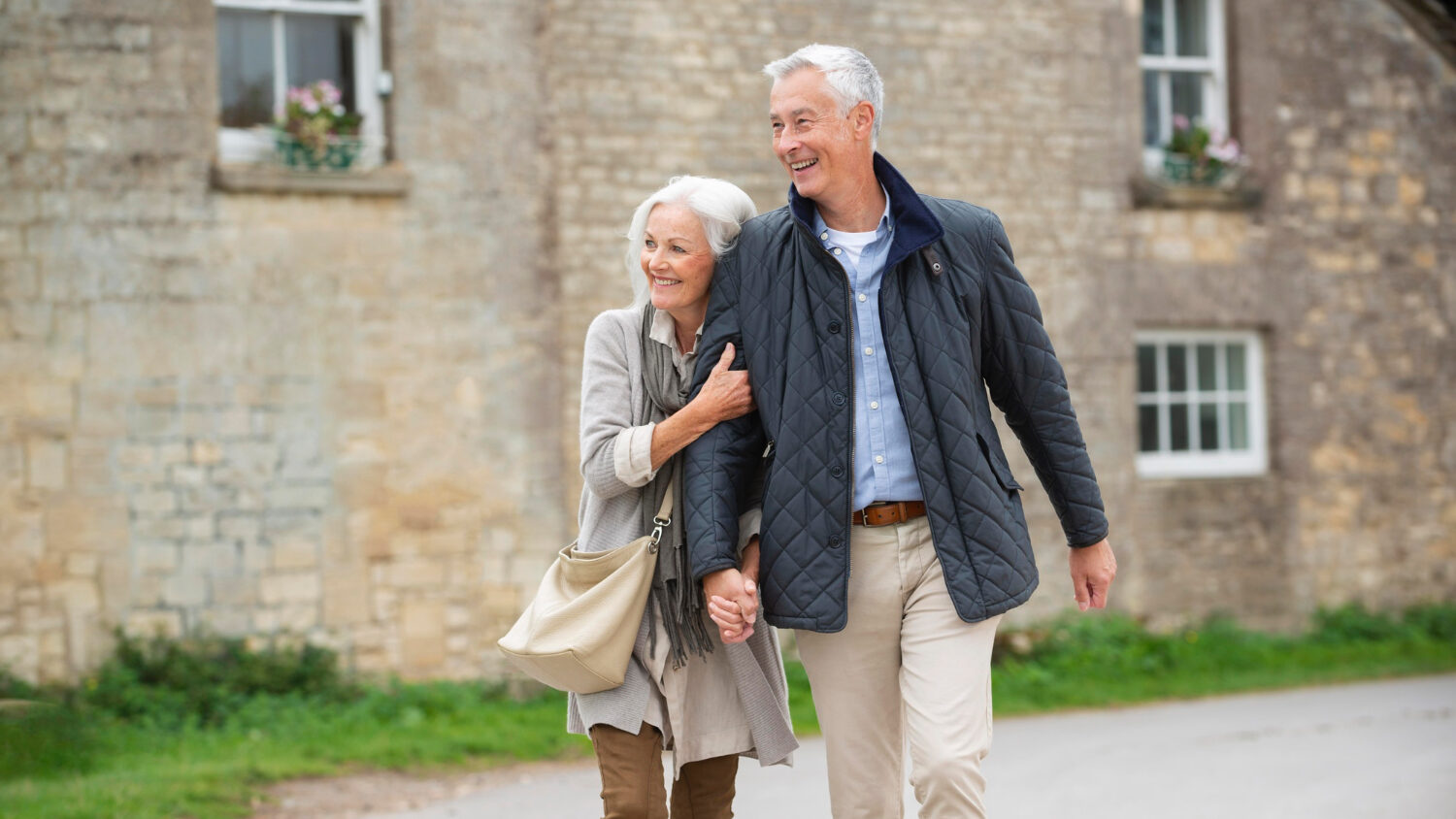
Here’s a shocker: none of the world’s longest-lived people pump iron or run marathons. A 101-year-old Okinawan woman put it simply: “I don’t exercise. I just don’t sit down for very long.”
Instead, they walk to the market. They knead bread by hand. They garden, climb hills, and visit neighbors on foot. Walking just 20 minutes daily adds 3 years to life expectancy — more than any supplement or HIIT workout has ever achieved.
The secret isn’t intensity. It’s consistency.
Your takeaway: Forget the gym guilt. Take the stairs, walk after dinner, do housework by hand. Movement woven into daily life beats occasional intense workouts.
2. They Eat Carbs — Lots of Them
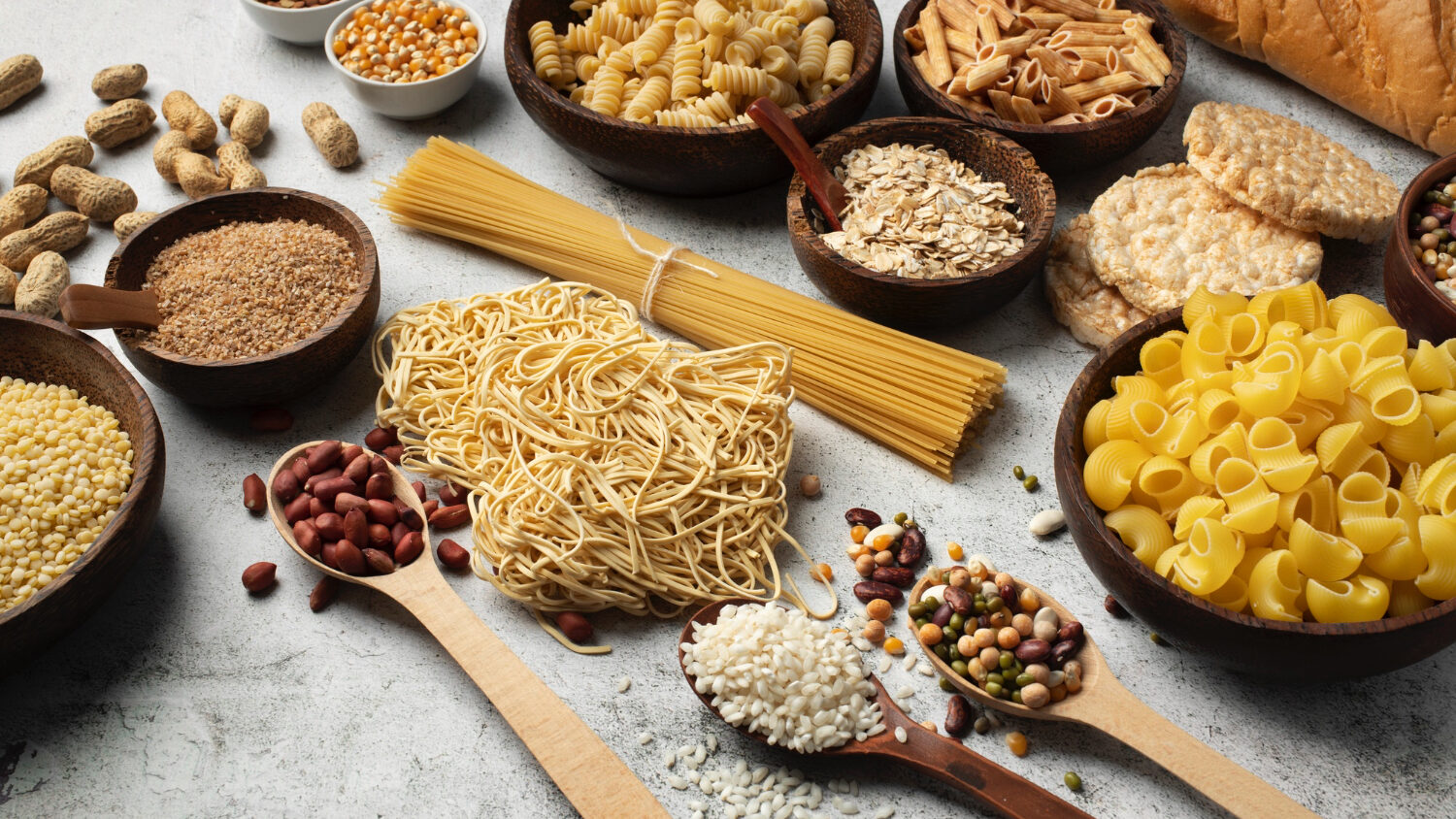
The traditional Okinawan diet was 80-85% carbohydrates. Sardinian centenarians ate bread and pasta as their main foods. These are populations with the highest concentration of 100-year-olds on the planet.
The difference? Whole foods, traditional preparation, and one powerful habit: they stop eating when 80% full — a practice called “hara hachi bu.”
No calorie tracking. No restriction. Just listening to their bodies.
Your takeaway: Stop demonizing carbs. Choose whole grains, cook at home, and try putting down your fork when you’re almost full — not stuffed.
3. They Drink Wine With Friends
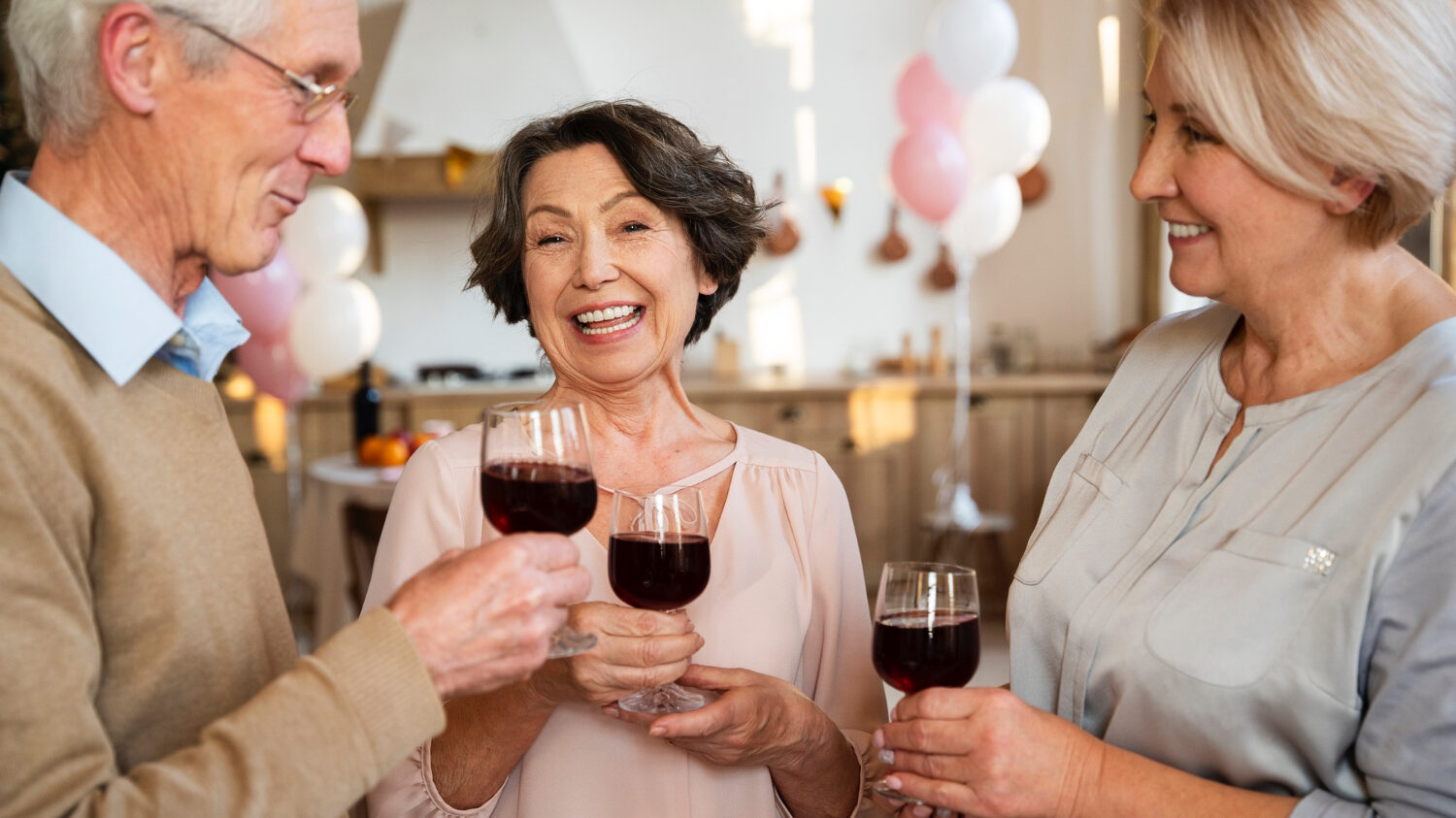
In four of five Blue Zones, centenarians drink alcohol regularly — usually 1-2 glasses of red wine daily, always with food, always with company.
Studies show moderate drinkers actually outlive non-drinkers. But the ritual matters more than the drink: it’s a daily stress release, a reason to gather, a moment to slow down.
One 106-year-old Sardinian had a glass of red wine for breakfast. The researcher’s response? “If you make it to 106, you can have whatever you want.”
Your takeaway: It’s not about the wine — it’s about daily rituals that help you unwind and connect. Tea with a friend, evening walks with family, or yes, a glass of wine with dinner. Build in daily “downshift” moments.
4. They Nap Without Guilt

In Ikaria, Greece — where residents live 8-10 years longer than average — the entire village goes quiet every afternoon. 70% of the oldest residents take daily naps.
This isn’t laziness. A Harvard study found regular nappers had 35% lower risk of dying from heart disease. Afternoon rest isn’t wasted time. It’s borrowed time.
Your takeaway: A 20-30 minute afternoon nap isn’t lazy — it’s protective. If napping isn’t possible, even closing your eyes for 10 minutes helps. Rest is productive.
5. They Belong to Something Bigger
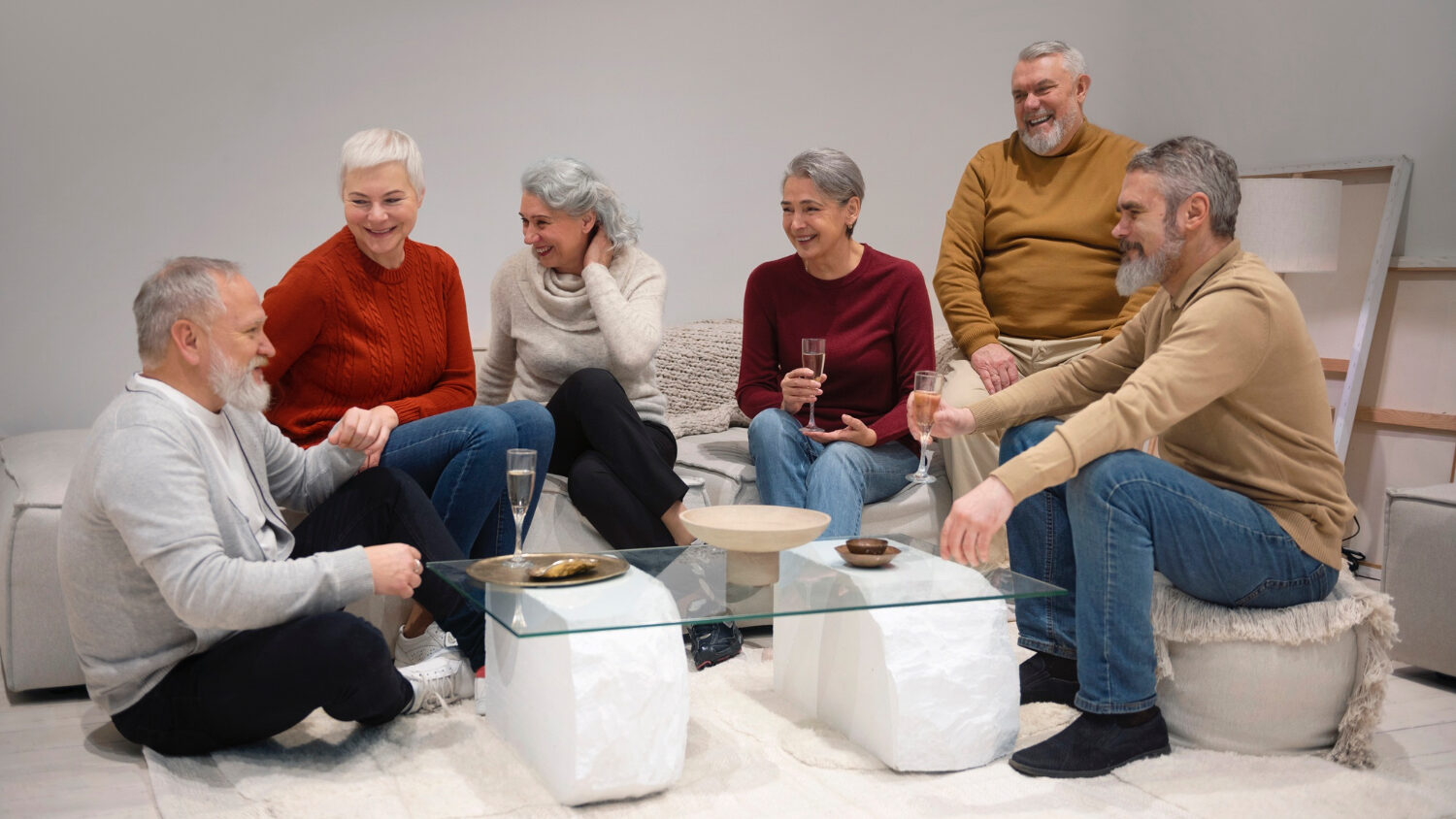
Of 263 centenarians interviewed, all but five belonged to a faith-based community. Attending services four times monthly adds 4-14 years of life expectancy — potentially more than diet and exercise combined.
It’s not about specific beliefs. It’s about ritual, community, and something to show up for every week.
Your takeaway: Join something — a prayer group, a volunteer organization, a community club. Weekly gatherings with shared purpose add years to your life. Showing up matters.
6. They Know Their “Why”
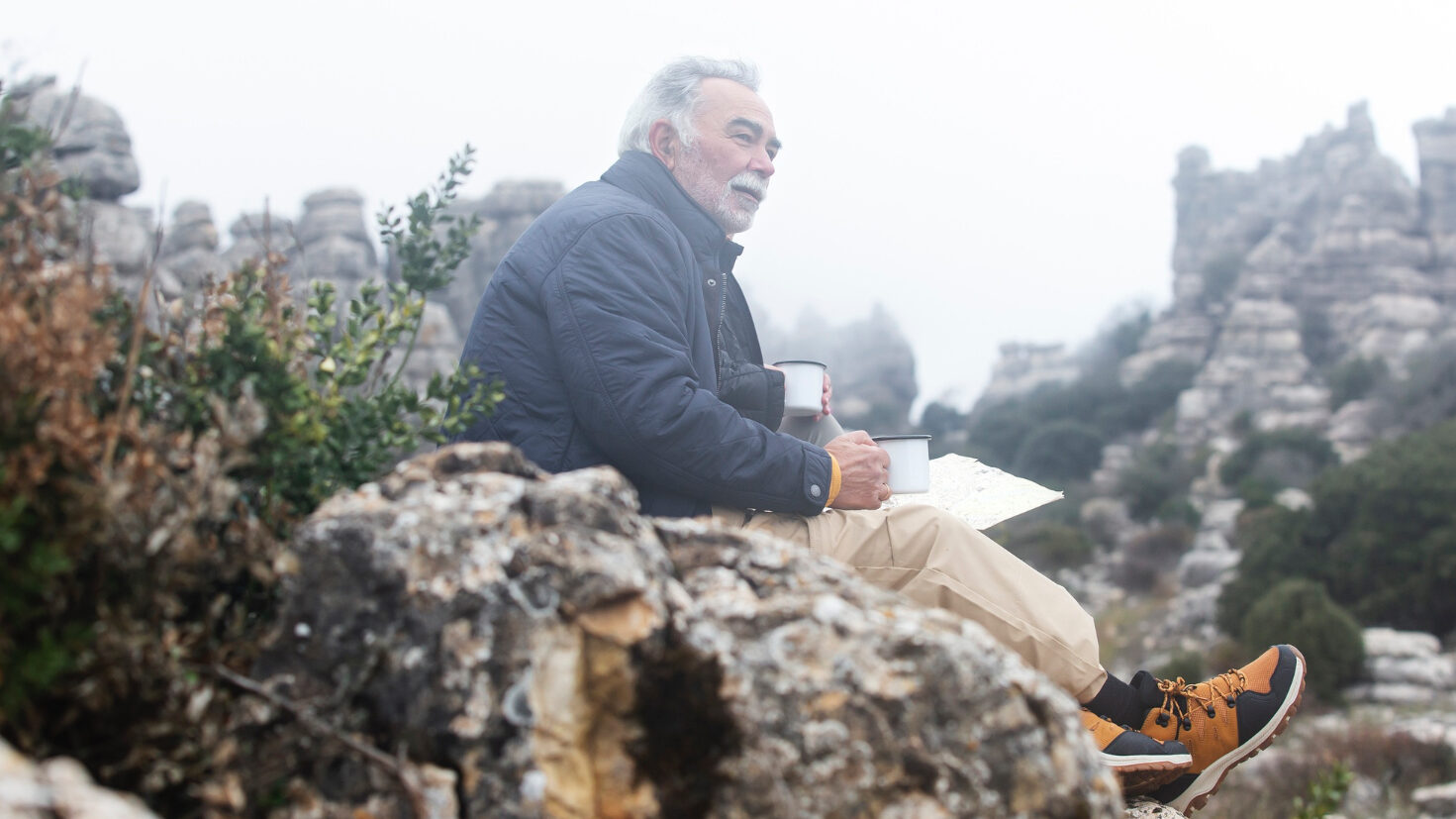
In Okinawa, there’s no word for retirement. Instead, they have ikigai — a reason to wake up each morning. Research shows having a sense of purpose adds up to 7 extra years of life.
It doesn’t have to be grand. One 102-year-old’s purpose was visiting his two prize bulls every day. Gardening counts. Grandchildren count. Caring for others counts.
The question isn’t “how do I live longer?” It’s “what am I living for?”
Your takeaway: Write down three things that make you feel useful or needed. Nurture them. Purpose doesn’t require a grand mission — it requires showing up for something that matters to you.
The Bottom Line
The world’s oldest people didn’t achieve longevity by optimizing their health. They built lives worth living — full of purpose, people, movement, and simple joys.
They ate real food slowly. They walked instead of drove. They prioritized family dinners over perfect nutrition. They rested without guilt and never stopped being useful.
Maybe the secret to living longer is to stop trying so hard — and start living better.
Here’s to a meaningful 2026.
Start Your Year With a Health Check
SDDM Hospital offers comprehensive wellness check-ups to help you understand your health baseline and make informed choices for the year ahead.
For appointments: +91-191-2464637
