


Advanced Eye Care
Expert eye care services tailored to meet your vision health needs and enhance your life.
“SDDM Hospital's Ophthalmology department in Jammu is dedicated to providing exceptional eye care tailored to your needs. From routine check-ups to advanced surgical procedures, we prioritize your vision and comfort.”
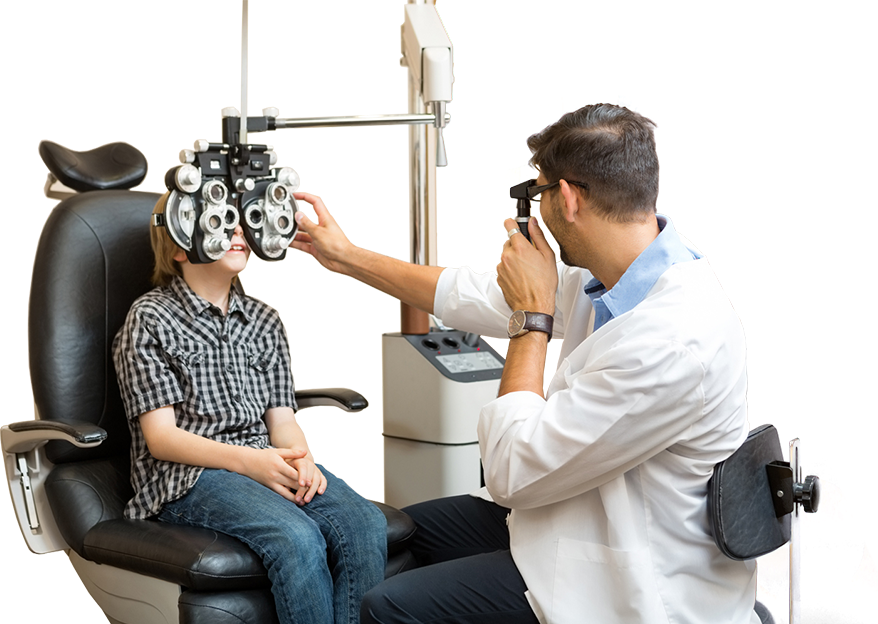
Discover Our Hospital: Exceptional Care
Leading-Edge Ophthalmology Technologies
SDDM Hospital’s ophthalmology department utilizes the latest diagnostic and surgical technologies to ensure optimal eye care. From advanced imaging systems to minimally invasive procedures, your vision is in expert hands across J&K.
Innovative Diagnostic
Experience precision with our state-of-the-art imaging and diagnostic tools.
Surgical Excellence
Our surgeons employ cutting-edge techniques for safe and effective eye surgeries.
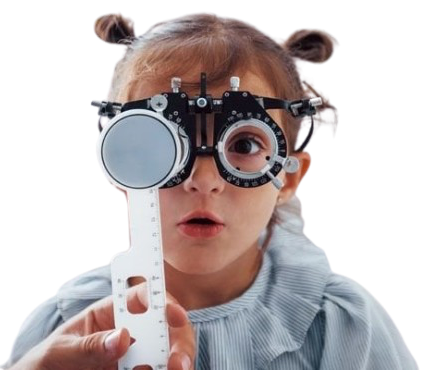
Understanding Common Eye Conditions
SDDM Hospital’s ophthalmology department specializes in diagnosing and treating various eye conditions, including cataracts, glaucoma, and macular degeneration. We utilize advanced technology and medical expertise to provide tailored care.
Our goal is to help you maintain optimal vision and improve your quality of life through thorough exams and personalized treatment plans.
Our Treatments
Explore Our Range of Treatments / Services
Discover a variety of effective treatments tailored to meet your needs. Each option is designed with your wellbeing in mind.
Diagnostic & Screening Services
Vision Testing
Eye Pressure Check (Tonometry)
Retinal Imaging
Slit Lamp Examination
Corrective & Refractive Care
Prescription Glasses
Contact Lens Fitting
LASIK Surgery
Medical Eye Care
Dry Eye Treatment
Allergy Management
Infection Treatment
Surgical Eye Procedures
Cataract Surgery
Glaucoma Surgery
Retinal Surgery
Corneal Transplant
Pediatric Eye Care
Strabismus Treatment
Amblyopia (Lazy Eye)
Child Eye Exams
Specialist Consultations
General Eye Checkup
Specialist Referral
Schedule Your Appointment
FAQs
Find answers to your most pressing questions about eye care, vision health, and ophthalmology services provided by our specialists.
SDDM Hospital’s ophthalmology department treats cataracts, glaucoma, diabetic eye disease, macular degeneration, dry eyes, eye infections, and vision problems like myopia and astigmatism using advanced diagnostic and surgical technologies.
You should consult an ophthalmologist if you experience vision changes, eye pain, redness, flashes of light, sudden vision loss, or if you have diabetes or family history of eye disease. Our Jammu facility provides comprehensive eye evaluations.
Adults should have complete eye exams every 1–2 years, or more frequently with existing eye conditions or risk factors like diabetes, high blood pressure, or age over 60. We customize exam schedules based on individual needs.
Cataracts at SDDM Hospital are treated with advanced surgical procedures where the cloudy lens is replaced with a clear artificial lens to restore vision. Our experienced surgeons use modern techniques for optimal outcomes.
Laser eye surgeries like LASIK are generally safe and effective, but not everyone is a candidate. Our ophthalmologists conduct detailed evaluations to determine eligibility and ensure the best results for each patient.
Bring your current glasses or contact lenses, medication list, past eye health records if available, and be ready to discuss any symptoms or vision changes. Our team will guide you through the comprehensive examination process.
