




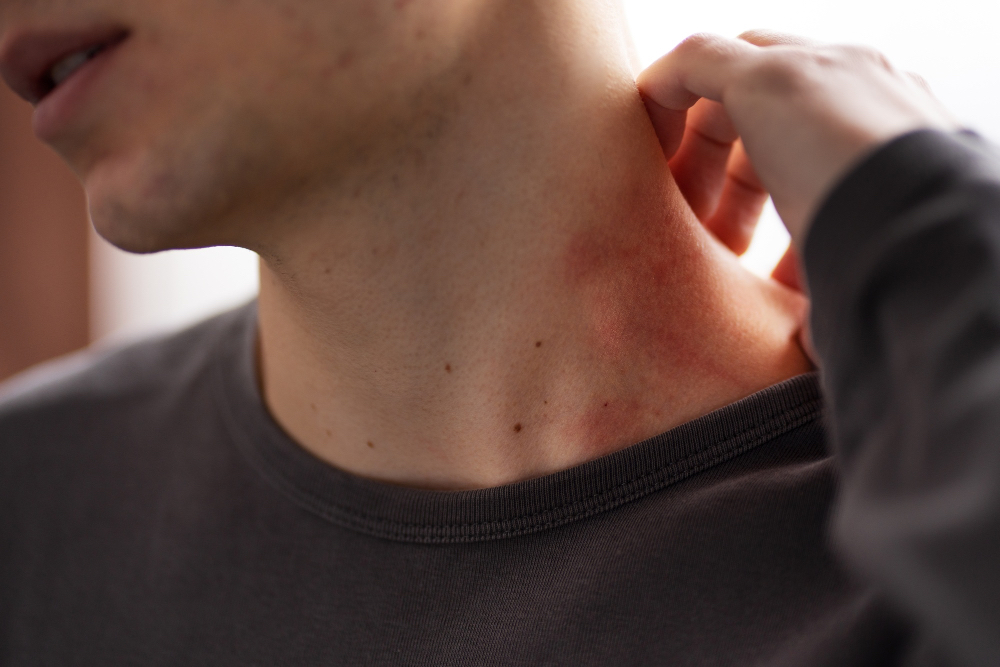
Every monsoon, the same pattern repeats across Indian dermatology clinics: a sharp rise in patients with itchy, ring-shaped rashes, irritated skin folds, and persistent athlete’s foot. The explanation offered is usually simple — humidity, sweat, and damp skin create ideal conditions for fungus to grow.
That explanation is accurate. It is also incomplete. Indian dermatologists are increasingly seeing a different, more concerning pattern: infections that don’t fully clear, or that return within weeks of finishing treatment. The reason has less to do with the rain outside and more to do with how these infections are being treated.
What’s Actually Happening on the Skin
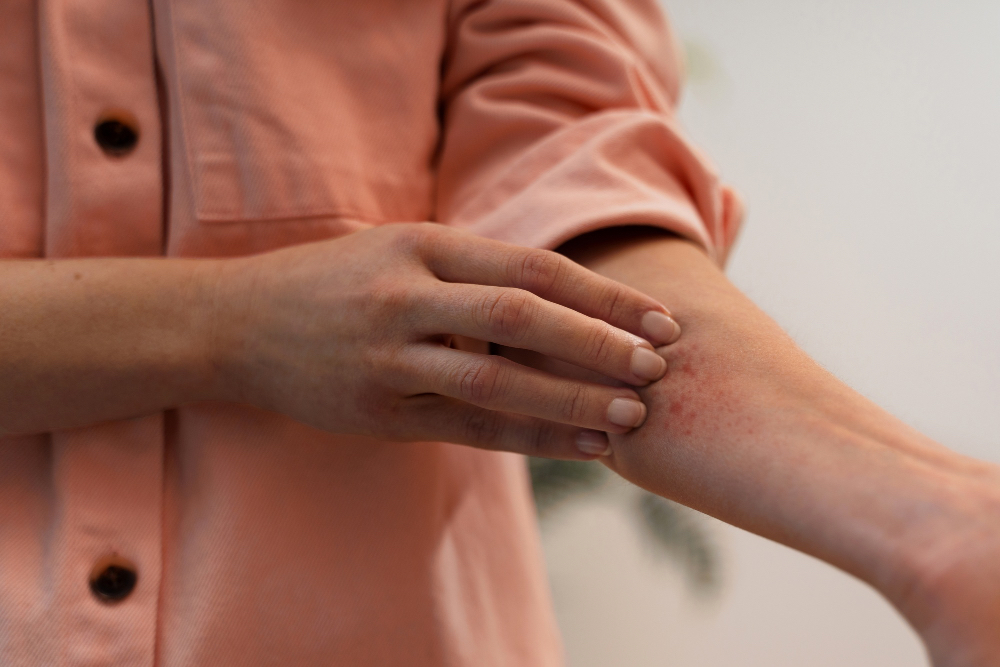
Fungal skin infections in the monsoon season are collectively known as dermatophytosis — infections caused by a group of fungi called dermatophytes that feed on keratin, the protein found in skin, hair, and nails. Several Indian dermatology publications now describe the scale of this problem using language typically reserved for infectious disease outbreaks — an “epidemic-like scenario” is how one recent clinical review put it.
The numbers vary significantly depending on region and study method, which itself reflects how widespread and under-tracked this condition is. Prevalence estimates across Indian populations range from as low as 6% in some southern studies to over 78% in others, with north Indian hospital-based studies reporting rates as high as 61.5%. There is no single national figure because community-level surveillance is limited — most data comes from patients who present to dermatology clinics, meaning the true burden in the general population is likely underestimated.
The three most common presentations are tinea corporis (ringworm), which causes circular, red, scaly patches with raised edges and accounts for roughly 39% of fungal skin infections in Indian clinics; tinea cruris (jock itch), affecting the groin and inner thighs, accounting for up to 62% of tinea cases in warm, humid regions; and tinea pedis (athlete’s foot), affecting the spaces between the toes.
Why Monsoon Specifically
Dermatophytes require warmth and moisture to thrive, and monsoon season delivers both consistently. But the mechanism is more specific than simply “it’s humid outside.”
Skin folds — underarms, groin, under the breasts, between the toes — trap moisture even when the rest of the body feels dry. Synthetic, tight-fitting clothing worn during humid weather traps sweat against the skin rather than allowing it to evaporate. Footwear that gets wet during commutes and doesn’t fully dry before being worn again creates a consistently damp environment ideal for fungal growth on the feet. Indoor spaces with reduced airflow — closed windows during heavy rain, less sunlight — keep bathroom and bedroom surfaces damp for longer, which affects towels, bathmats, and clothing that come into direct skin contact.
Daily habits shift during monsoon in ways that inadvertently worsen the problem. People may shower more frequently without fully drying skin folds afterward. Damp towels get reused. Heavy moisturisers or creams applied to soothe irritated skin can trap additional moisture rather than resolve it. None of these habits are unreasonable responses to the weather — but collectively, they extend the exact conditions dermatophytes need.
The More Important Story: Why Infections Keep Coming Back
This is where the conversation needs to shift from prevention to something more clinically significant.
A 2025 study from a north Indian tertiary care dermatology centre documented a marked rise in chronic and recurrent dermatophytosis cases, attributing the trend to changing antifungal resistance patterns, medication misuse, and host-related factors. Recurrence in clinical terms is defined specifically: reappearance of the infection at the same site within six weeks of completing treatment. Several Indian studies now report this as an increasingly common outcome rather than an exception.
Species identification studies have found that Trichophyton mentagrophytes has emerged as the dominant fungal isolate in several Indian regions, a shift from the Trichophyton rubrum species that historically predominated. This matters clinically because T. mentagrophytes strains circulating in India have shown higher rates of resistance to standard first-line antifungal treatments compared to T. rubrum.
But biological resistance is only part of the picture. A significant, and arguably larger, contributor to recurrence is treatment behaviour itself.
The Treatment Mistakes Driving Recurrence
Three patterns show up consistently across Indian clinical studies as drivers of persistent and recurrent fungal infection.
Over-the-counter steroid-combination creams. A large number of topical creams sold in India for “skin rash” or “itching” combine an antifungal agent with a corticosteroid. The steroid component provides fast symptom relief — itching and redness improve quickly — which makes these combination creams popular for self-treatment. However, steroids suppress the local immune response that would otherwise help control fungal growth, allowing the infection to spread more extensively beneath the skin even as visible symptoms temporarily improve. By the time a patient seeks proper dermatological care, the infection is often more extensive and harder to treat than it would have been with correct treatment from the outset.
Incomplete treatment courses. Antifungal treatment typically needs to continue for one to two weeks beyond the point where visible symptoms resolve, because fungal elements can persist in the skin even after the rash appears to clear. Stopping treatment as soon as itching and redness improve — a very common and understandable behaviour — leaves residual fungus in place, setting up the infection to reappear.
Inconsistent application and compliance. Topical antifungal creams need to be applied consistently, to an area that extends beyond the visible rash margin, for the treatment to be effective. Irregular application, treating only the visibly affected area, or discontinuing treatment during travel or busy periods all reduce effectiveness and contribute to the resistant, recurrent pattern increasingly seen in Indian clinics.
The Psychological Burden Rarely Discussed

Chronic, recurrent fungal infection is often treated as a minor cosmetic or hygiene issue in casual conversation. The clinical evidence suggests this framing underestimates its real impact.
A 2025 study screening dermatophytosis patients at a tertiary care hospital found measurable levels of anxiety and depression associated with chronic and recurrent fungal skin infections, using a validated screening tool. The persistent itching, visible skin changes, and the frustration of repeated treatment failures were identified as contributing factors. This burden is disproportionate to how casually the condition is typically regarded — both by patients delaying proper treatment and, at times, by the healthcare system’s response to it.
What Actually Helps
For prevention, the practical measures remain genuinely useful, even though they are not sufficient on their own for someone already dealing with a resistant, recurrent infection: keeping skin folds thoroughly dry after bathing, wearing breathable, loose-fitting cotton clothing rather than tight synthetic fabrics, changing out of damp clothing and wet footwear as soon as possible, avoiding shared towels, and ensuring footwear has time to fully dry between uses.
For treatment, the more clinically important recommendation is this: fungal infections that don’t respond within the expected treatment timeline, or that recur shortly after apparent resolution, need proper dermatological evaluation rather than repeated self-treatment with over-the-counter creams. This may include microscopic examination (KOH testing) to confirm the diagnosis, and in select cases, fungal culture to identify the specific species and guide more targeted treatment.
Patients using steroid-combination creams for a persistent rash — even ones purchased without a prescription — should specifically mention this to their doctor, as it materially affects both the clinical presentation and the treatment approach needed.
The Bottom Line
Monsoon humidity creates the conditions fungal infections need to establish themselves — that part of the story hasn’t changed. What has changed, and what deserves more attention, is why an increasing number of these infections in India are not resolving with standard treatment, and are returning within weeks of apparent recovery.
The answer lies less in the weather and more in a combination of emerging antifungal resistance and widespread treatment practices — particularly steroid-combination creams and incomplete treatment courses — that inadvertently make infections harder to clear.
Monsoon creates the conditions. What happens after the first prescription increasingly determines the outcome.
📚 References:
Clinicomycological Profile of Dermatophytosis in a Tertiary Care Hospital, Tamil Nadu. PubMed Central, 2025.
Rising Burden of Superficial Fungal Infections in India and the Role of Clotrimazole. IP Indian Journal of Clinical and Experimental Dermatology, 2023.
Lohariwala A, Gupta S, Kaur N, Mahendra A. Emerging Antifungal Resistance in Dermatophytosis: A Clinicomycological Study From North India. Cureus, 2025.
Antifungal Patterns of Dermatophytes: A Pathway to Antifungal Stewardship in Eastern India. PubMed Central, 2024.
Depression and Quality of Life Among Patients with Dermatophyte Infections. IP Indian Journal of Clinical and Experimental Dermatology, 2025.
For evaluation and treatment of persistent or recurrent fungal skin infections, SDDM Hospital’s Dermatology department is available at +91-191-2464637 or sddm.hospital.
This article is for general educational purposes and does not constitute medical advice. Please consult a qualified healthcare professional for individualised assessment and guidance.
SDDM Hospital, Jammu Multi-Specialty Care | Dermatology 📍 Channi Himmat, Jammu | 📞 +91-191-2464637 | 🌐 sddm.hospital
