





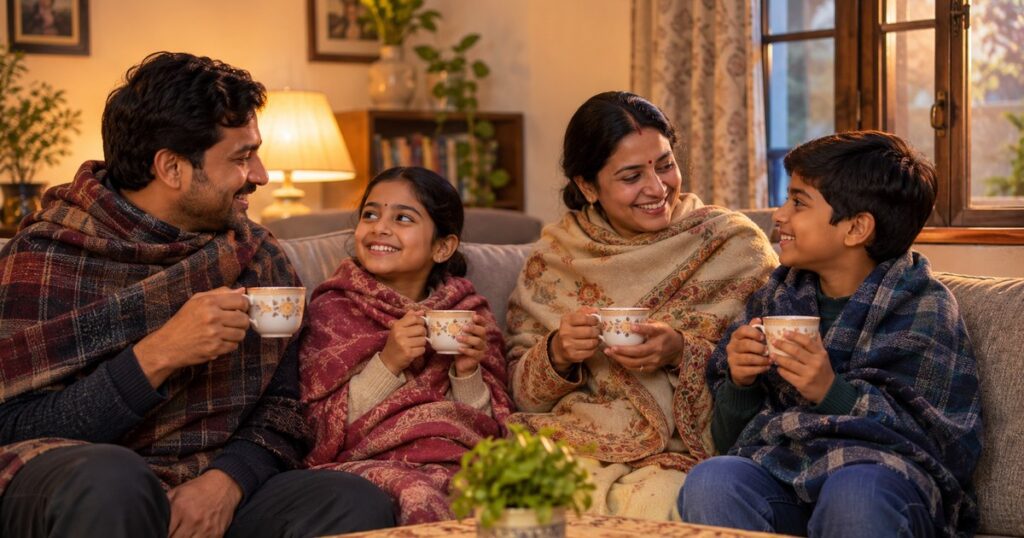
Carbon monoxide poisoning is one of the few winter dangers you cannot see, smell or taste. It can build up in a closed, warm room while a family sleeps, which is why doctors in Jammu and Kashmir warn about it every winter. This article explains how it happens, the warning signs, and six simple rules for heating your home more safely.
Carbon Monoxide Poisoning: Why Winter Is the Danger Season
In January 2025, news reports said nine people died of asphyxiation across Jammu and Kashmir in six days. Some of the incidents involved charcoal heaters, and one was a family of five in Srinagar. Among them were three young men from Jammu, found dead in a guesthouse in Bhaderwah. A charcoal heater was suspected, and the investigation was still open at the time of reporting.
Officials and doctors say such incidents repeat every winter. As a result, the pattern is clear: closed windows, a burning heater, and people asleep.
A few honest limits. These figures come from news reports of one winter, not from an official yearly count. Also, reports differ on the cause in the Srinagar case. Even so, the lesson holds for every household.
How a Heater Makes Carbon Monoxide
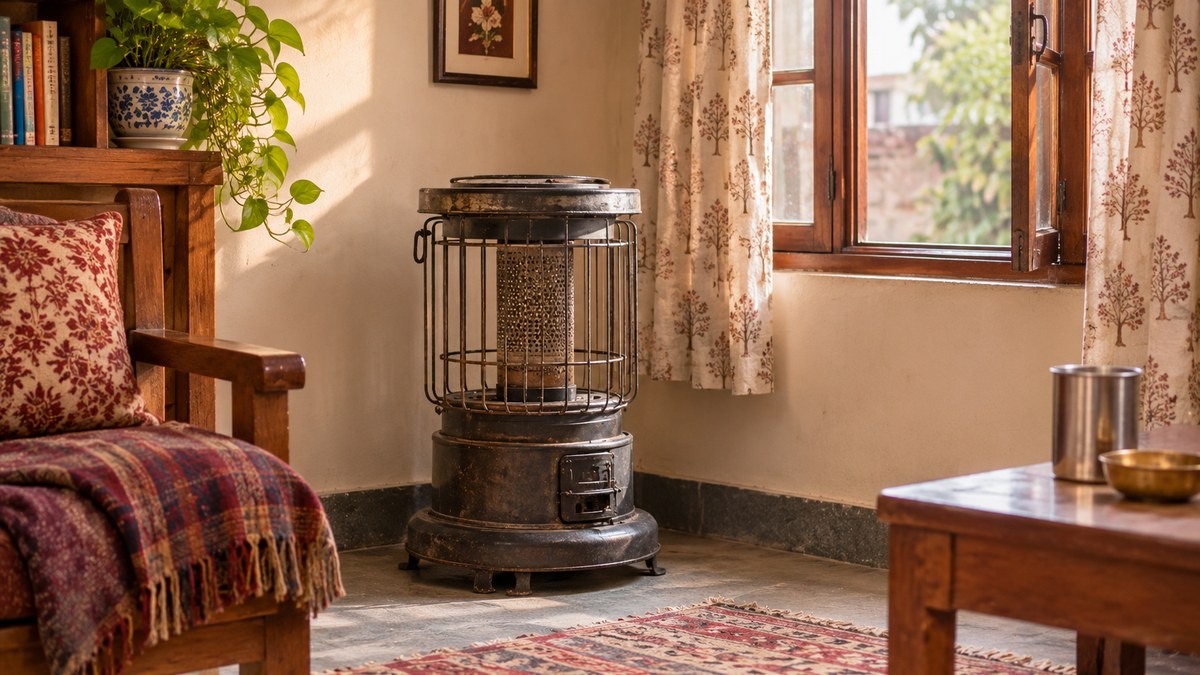
Carbon monoxide is a gas made when something burns without enough fresh air. For example, charcoal, coal, wood and gas can all make it. Once you breathe it in, it enters the blood and takes the place of oxygen, so the heart, brain and other organs are starved.
In a closed room, the gas builds up with every hour the heater runs. Meanwhile, nothing seems wrong. In fact, there is no smoke you can smell and no taste in the air.
Warning Signs of Carbon Monoxide Poisoning
The most common first sign is a headache. Other signs include:
- Dizziness or feeling confused
- Nausea or vomiting
- Feeling very tired or weak
- Shortness of breath
- Chest pain, fits, or passing out in severe cases
These can look like flu or food poisoning, but carbon monoxide poisoning does not cause a fever. Therefore, look for the clues around the symptoms:
- Several people in the house feel unwell at the same time
- You feel better when you go outside and worse when you come back in
- The symptoms only appear in the heating season
- A pet is unwell too
Also, people who are asleep may never notice the headache or dizziness. This is why night-time is the most dangerous time.
Who Is Most at Risk From Carbon Monoxide Poisoning
Anyone can be affected, but some people are more at risk:
- Babies and young children, who breathe faster
- Older people, who are more likely to suffer brain damage
- Unborn babies
- Anyone who is asleep, or has had alcohol or sedating medicines
Six Rules for Safer Heating
- Switch it off before you sleep. Do not leave a charcoal, coal or gas heater, or a firepot, burning overnight.
- Let fresh air in. Keep a window or vent slightly open. In other words, do not seal every gap with polythene.
- Use it only when needed. Do not run a heater for long hours in a closed room.
- Never heat a room with a gas stove or oven. They are not made for it.
- Get heaters and chimneys checked every year by someone qualified.
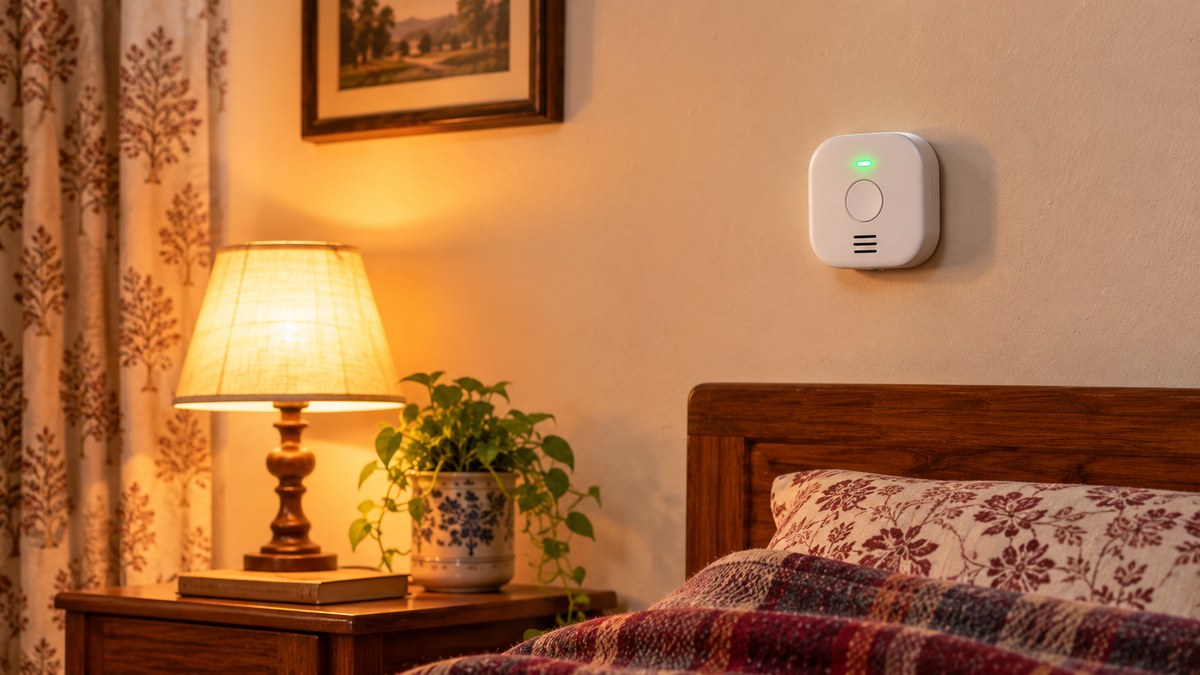
- If you can, fit a carbon monoxide alarm near where you sleep. If it sounds, leave the room and call for help.
A chest specialist at GMC Anantnag says traditional kangris are safer when used correctly. However, the same rule applies: keep the room ventilated and never fall asleep with burning charcoal close by.
Going to the Hills This Winter? Check Before You Sleep
Hill trips to places such as Bhaderwah, Patnitop or Gulmarg are popular in winter. In addition, guesthouse rooms are often small, with windows sealed against the cold. Before you settle in for the night:
- Ask what kind of heater is in your room
- If it burns charcoal, wood or gas, ask for it to be removed before you sleep
- Keep a window slightly open
- Do not let the whole group sleep in one sealed room with a burning heater
What to Do If You Suspect Carbon Monoxide Poisoning
- Turn off the heater if it is safe to do so.
- Open the doors and windows, and get everyone out into fresh air.
- Get medical help. If anyone is drowsy, confused, has chest pain or has passed out, call 108 or go to emergency straight away.
- Do not go back in until the heater has been checked.
Even after someone recovers, problems such as memory loss or changes in behaviour can show up later. Therefore, anyone who was exposed should see a doctor.
The Bottom Line
In short, a heater that keeps your family warm should not cost a life. Switch it off before bed, keep fresh air coming in, and treat an unexplained morning headache in a heated room as a warning, not a coincidence.
📚 References:
1. The Week. Why J&K sees a spike in cases of deaths due to asphyxiation, 7 January 2025. Read online
2. Rising Kashmir. Asphyxiation deaths: experts warn against CO poisoning, say ventilation key to survival. Read online
3. Rising Kashmir. Rising asphyxiation cases spur call for village-level campaigns, 7 January 2025. Read online
4. Kashmir Life. Tragedy strikes Jammu Kashmir as unsafe heating practices claim nine lives in five days, 6 January 2025. Read online
5. NI Direct. Carbon monoxide poisoning. Read online
6. Mayo Clinic. Carbon monoxide poisoning: causes. Read online
7. California Poison Control System. Carbon monoxide (CO) poisoning. Read online
SDDM Hospital, Channi Himmat, Jammu Multi-Specialty Care 📍 Channi Himmat, Jammu | 📞 +91-191-2464637 | 🌐 sddm.hospital
In an emergency, call 108 or go to the nearest emergency department. For questions, find a doctor on our website or call SDDM Hospital®, Jammu on +91-191-2464637.
