




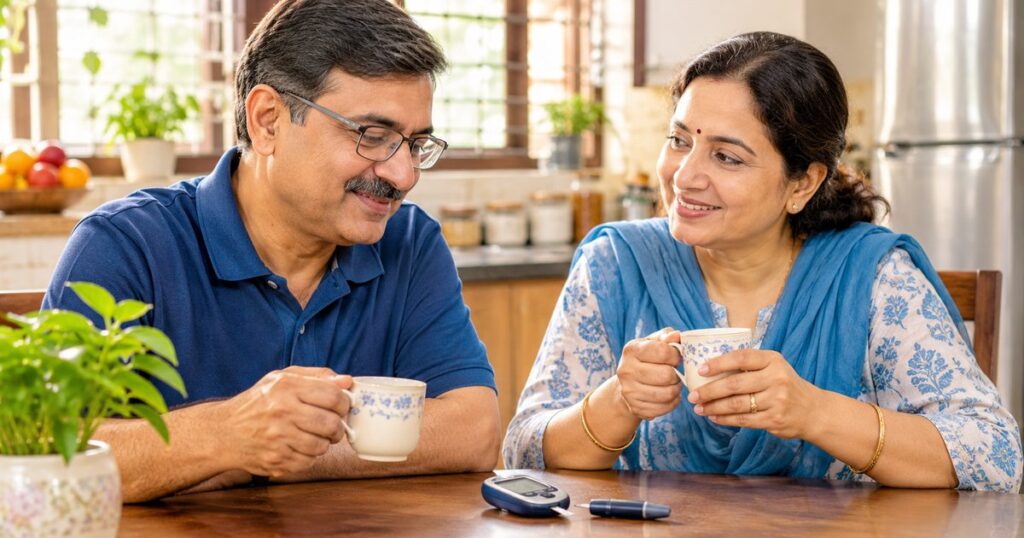
Most people with early diabetes do not feel ill. In fact, there is no pain, no fever, and often no warning, which is why so many find out only when a routine test, an infection, or a complication shows it. This is what diabetes without symptoms looks like, and why a simple blood test can matter more than waiting to feel unwell.
This article covers how common diabetes is in Jammu, who should get tested, the numbers to know, and the signs that should not be ignored.
Diabetes Without Symptoms: How Common Is It in Jammu?
To begin with, the theme of World Diabetes Day 2026-27 is “Early Action on Diabetes”, and the International Diabetes Federation says almost 1 in 2 people with diabetes worldwide have not been diagnosed.
Our own region has some of the highest figures in India. For comparison, across the country, ICMR’s large INDIAB survey estimates that about 11% of adults, around 101 million people, have diabetes. For the Jammu region, press reports of the same programme put it at 18.9% in a survey of 1,520 people: 26.5% in urban areas and 14.5% in rural areas. In addition, 10.8% had prediabetes. Also, one report said about 4 in 10 of those with diabetes in Jammu did not know they had it.
However, a few honest limits apply. These Jammu figures come from news reports of the study, and they do not give the survey years or the age range. Meanwhile, figures from Kashmir and Ladakh were much lower (7.8%), so numbers differ across the region. Even so, the message is clear: many of us may be carrying high blood sugar without knowing.
Why Diabetes Without Symptoms Goes Unnoticed
In type 2 diabetes, blood sugar rises slowly over months or years. As a result, the body adjusts, so there is nothing sudden to notice. Instead, tiredness is blamed on work, thirst on the weather, and blurred vision on age.
However, the danger is that high sugar can damage the heart, kidneys, eyes and nerves quietly in the meantime. Therefore, finding it early gives you time to act before that damage builds.
Signs That Should Make You Get Tested
Of course, many people have no symptoms at all. But the ICMR treatment guideline lists these as reasons to test:
- Passing urine often, including at night
- Feeling very thirsty or very hungry
- Losing weight without trying
- Cuts, sores or ulcers that are slow to heal
- Tingling or numbness in the hands or feet
- Blurred vision
- Infections that keep coming back
However, having one of these does not mean you have diabetes. Instead, it means a blood test is worth doing.
Diabetes Without Symptoms: Who Should Get Tested
In general, ICMR advises testing adults who are overweight, with a BMI of 23 or more for Indians, and who also have at least one of these:
- A parent, brother or sister with diabetes
- High blood pressure (140/90 or more) or abnormal cholesterol
- Little physical activity
- PCOS
- Age over 30
- Diabetes during a past pregnancy
Doctors also test anyone with the symptoms above. Likewise, all pregnant women early in pregnancy. However, if you are unsure whether you qualify, ask. After all, a test costs little compared with a late diagnosis.
The Numbers to Know
In short, a simple blood test tells you where you stand. The main readings in the ICMR guideline are:
| Test | Normal range | Prediabetes | Diabetes |
|---|---|---|---|
| Fasting blood sugar (after 8 hours without food) | below 100 mg/dl | 100 to 125 mg/dl | 126 mg/dl or more |
| HbA1c (average sugar over about 3 months) | below 5.7% | 5.7% to 6.4% | 6.5% or more |
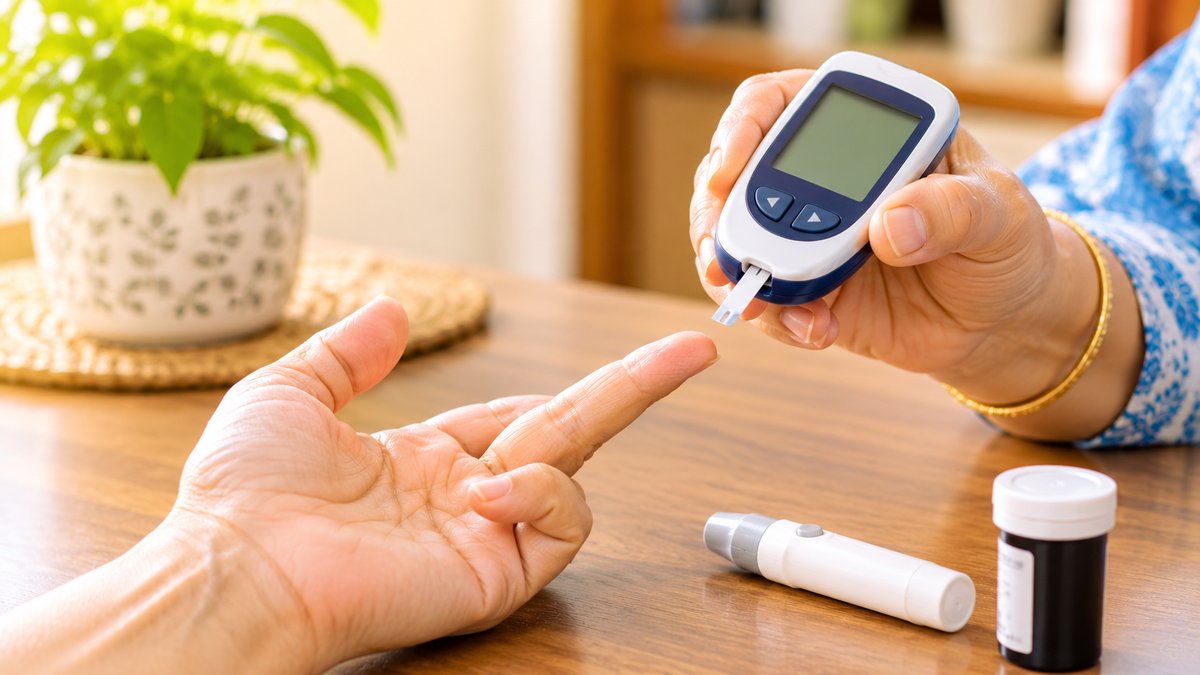
So always have a high result confirmed and explained by a doctor. This is because one reading does not make a diagnosis on its own.
Prediabetes: A Warning, Not a Diagnosis
In other words, prediabetes means blood sugar is above normal but not yet in the diabetes range. Among those surveyed in Jammu, about 1 in 10 people were in this range, and in Kashmir and Ladakh about the same.
Moreover, it is a chance to act. The IDF says early support from healthcare professionals can prevent or delay type 2 diabetes. Also, if you are told you have prediabetes, the ICMR guideline advises testing again every year.
What You Can Do Now
- Get tested if you fit the list above, or if you have never had your blood sugar checked.
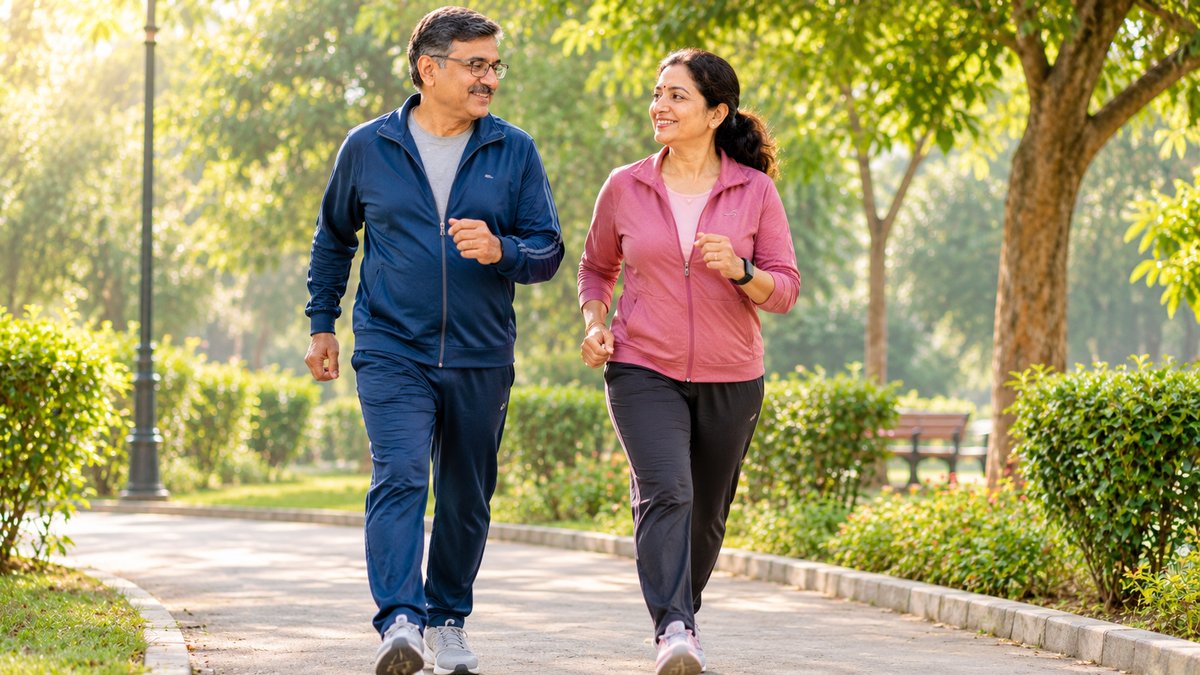
- Move more. Regular walking is a good start.
- Watch your waist and weight, and cut back on sugary drinks and sweets.
- Know your family history and tell your doctor.
- If you already have diabetes, look at your feet every day, wear well-fitting footwear, do not walk barefoot, and do not cut corns or calluses yourself. Get HbA1c checked every 6 to 12 months, as your doctor advises.
When to Get Urgent Help
Go to emergency or call 108 if someone with diabetes or very high sugar has:
- Constant vomiting or stomach pain
- Fast, deep breathing
- Unusual drowsiness or confusion
- A foot wound with fever, spreading redness or black skin
The Bottom Line
Overall, you cannot tell from how you feel whether your blood sugar is normal. Because of this, a simple test can find diabetes early, when there is the most you can do about it. So if you are overweight, over 30, or have diabetes in the family, make this World Diabetes Day the day you book yours.
📚 References:
1. International Diabetes Federation. World Diabetes Day 2026-27: Early action on diabetes. Read online
2. Gulf News. India study estimates 11% of population or 101 million is diabetic (ICMR-INDIAB). Read online
3. Medical Dialogues. Nearly 19 per cent of Jammu population diabetic, reveals ICMR-led study, 22 October 2024. Read online
4. BW Healthcare World. ICMR-INDIAB study reveals 18.9% diabetes prevalence in Jammu, 26.5% in urban areas. Read online
5. SKIMS. Press release on ICMR-INDIAB findings for Kashmir and Ladakh, 14 November 2024. Read online
6. ICMR / Department of Health Research. Standard Treatment Workflow: Diabetes Mellitus Type 2. Read online
7. ICMR / Department of Health Research. Standard Treatment Workflow: Diabetic Foot, July 2022. Read online
SDDM Hospital, Channi Himmat, Jammu Multi-Specialty Care 📍 Channi Himmat, Jammu | 📞 +91-191-2464637 | 🌐 sddm.hospital
In an emergency, call 108 or go to the nearest emergency department. To get tested or ask a question, find a doctor on our website or call SDDM Hospital®, Jammu on +91-191-2464637.
